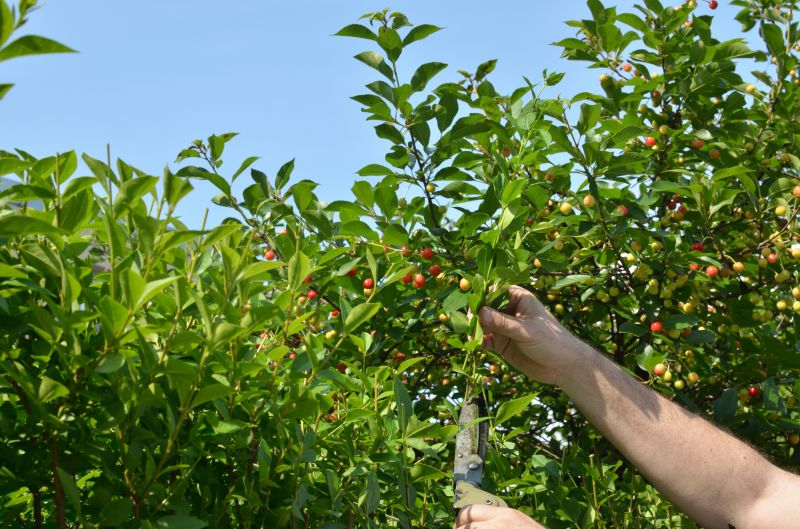
Wisteria Pruning Services for Property Owners
Visitors can learn about Wisteria pruning services and compare local service providers who handle this work in their area.
- - Homeowners with mature wisteria vines seeking professional pruning to maintain plant health and appearance.
- - Property managers or landscapers looking to connect with local contractors for seasonal wisteria trimming services.
- - Commercial property owners aiming to ensure safety and aesthetic appeal through expert wisteria pruning by nearby service providers.



Wisteria pruning is an important maintenance task that helps keep this flowering vine healthy, attractive, and well-shaped. Property owners often seek assistance from local contractors who specialize in landscape and garden care to manage overgrown or unruly wisteria. These professionals are experienced in trimming and shaping the vines to promote vigorous growth, prevent damage to structures, and enhance the overall appearance of gardens and outdoor spaces.
Connecting with local service providers ensures that wisteria pruning is handled efficiently and safely. Many contractors offer tailored services to suit different property sizes and plant conditions, making it easier for homeowners and property managers to maintain their landscapes. By comparing local pros, those looking for wisteria pruning can find the right expertise to support their gardening goals and keep their outdoor areas looking their best.
This guide provides helpful information to understand the basics of Wisteria pruning and what to consider before hiring a service provider. It assists in comparing local contractors and understanding the scope of work involved. By using this resource, visitors can better prepare to share their project details with the right local professionals.