Dead Branch Removal in Allentown, PA
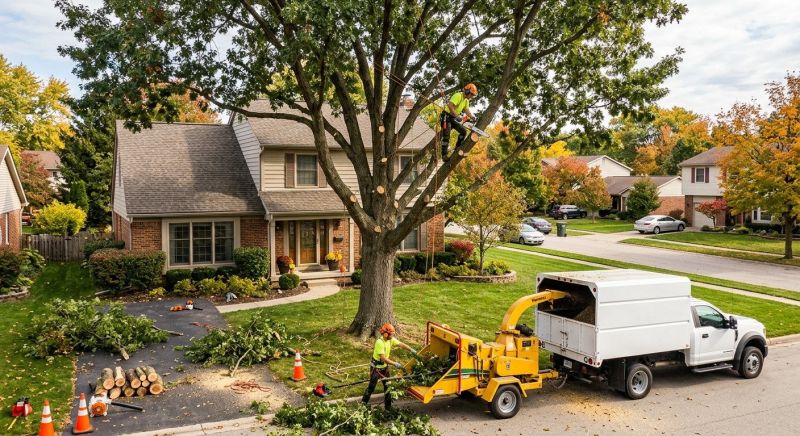
Dead branch removal services involve the careful trimming and removal of dead, diseased, or damaged branches from trees and shrubs. This process helps maintain the health and appearance of the landscape, reduces the risk of falling limbs that could damage property or cause injury, and promotes overall tree vitality. Projects typically include removing deadwood from mature trees, thinning out overgrown branches, or addressing specific concerns about branches that are close to power lines, structures, or walkways.
Homeowners interested in dead branch removal should consider the size and location of the branches, as well as the overall health of the tree. It’s important to understand that proper removal requires careful assessment to prevent unintended damage to the tree or surrounding landscape. Before requesting this service, property owners often seek guidance on the scope of work, the potential impact on tree health, and any necessary precautions to ensure safety and long-term tree stability.
Many property owners in Allentown, PA look into Dead Branch Removal for repairs, replacements, upgrades, and appearance-related improvements.
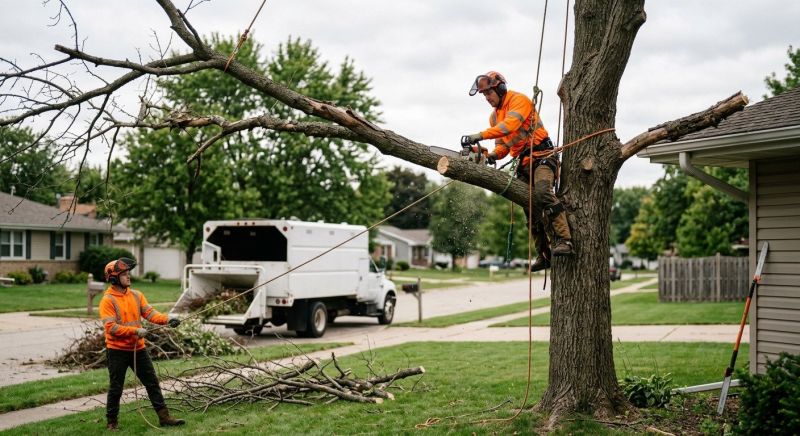
Safety And Property Protection
Removing dead branches helps prevent potential damage to your home and keeps your yard safe.
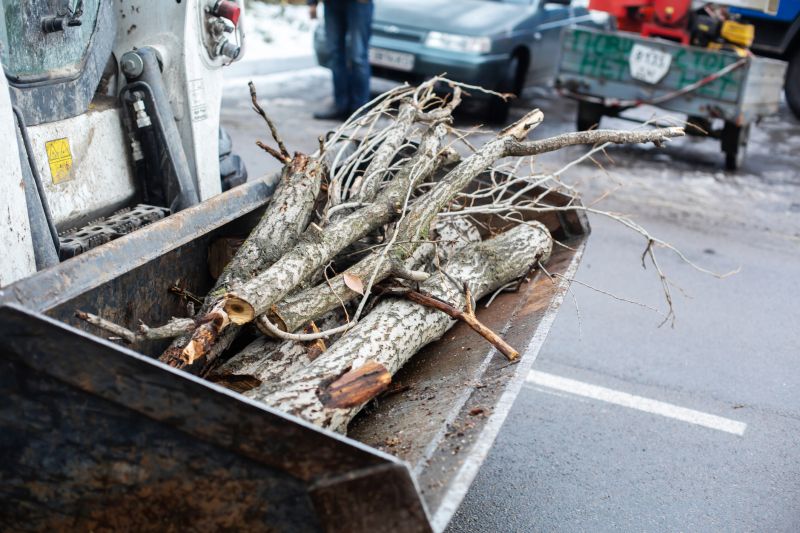
Tree Health And Maintenance
Eliminating dead limbs promotes the overall health of your trees and encourages healthy growth.
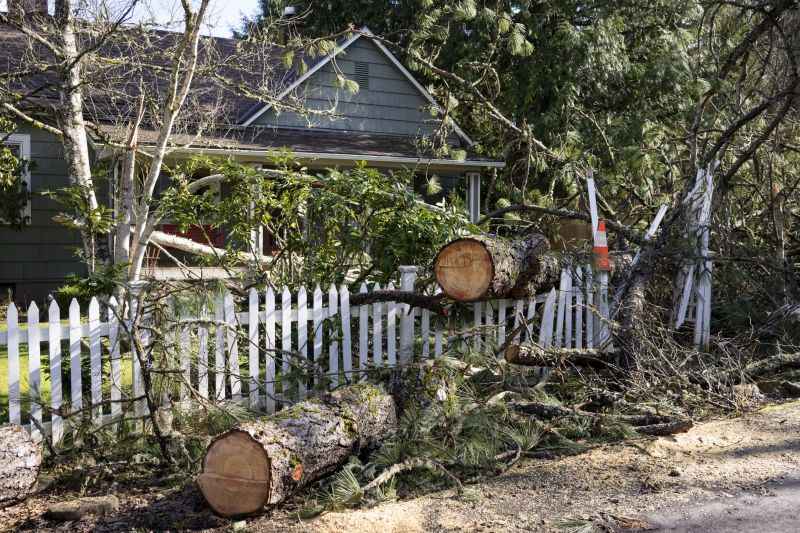
Aesthetic Improvement
Clearing away dead branches enhances the appearance of your landscape and boosts curb appeal.
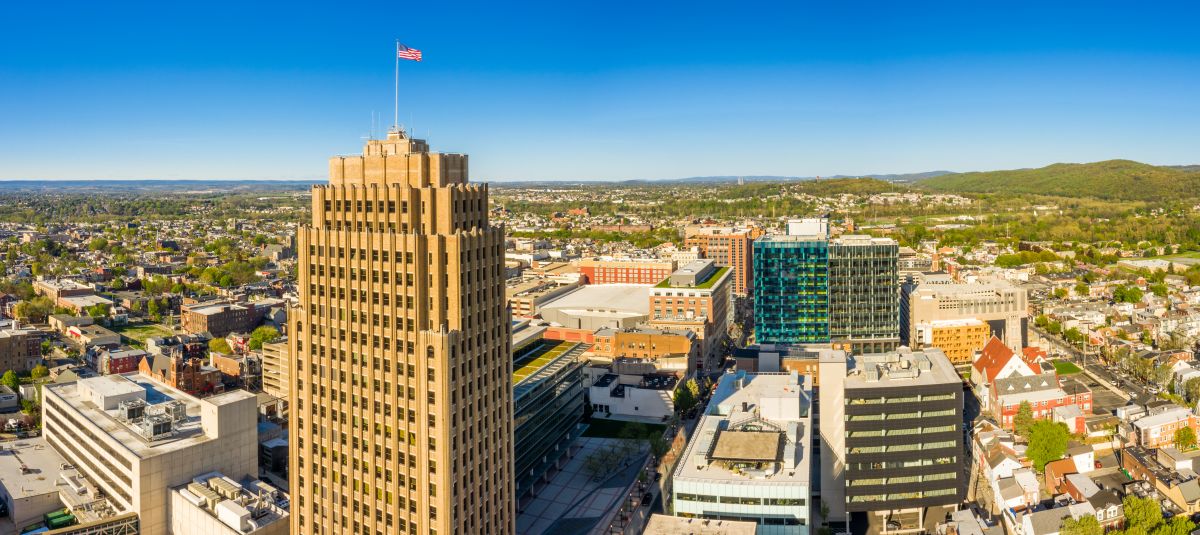
Dead Branch Removal in Allentown, PA
Dead branch removal services involve the careful trimming and removal of dead, diseased, or damaged branches from trees and shrubs. This process helps maintain the health and appearance of the landscape, reduces the risk of falling limbs that could damage property or cause injury, and promotes overall tree vitality. Projects typically include removing deadwood from mature trees, thinning out overgrown branches, or addressing specific concerns about branches that are close to power lines, structures, or walkways.
Homeowners interested in dead branch removal should consider the size and location of the branches, as well as the overall health of the tree. It’s important to understand that proper removal requires careful assessment to prevent unintended damage to the tree or surrounding landscape. Before requesting this service, property owners often seek guidance on the scope of work, the potential impact on tree health, and any necessary precautions to ensure safety and long-term tree stability.
Many property owners in Allentown, PA look into Dead Branch Removal for repairs, replacements, upgrades, and appearance-related improvements.
Common Dead Branch Removal Jobs
Dead branch removal - safely eliminates hazardous branches that could fall and cause damage.
Tree pruning services - removes dead or overgrown branches to promote healthy growth.
Storm cleanup - clears fallen dead branches after severe weather events.
Landscape maintenance - improves curb appeal by removing unsightly dead or dying branches.
Tree health assessment - identifies dead branches that may threaten overall tree stability.
Emergency branch removal - quickly addresses dangerous dead branches posing immediate risks.
Dead Branch Removal Questions
Why should dead branches be removed? Removing dead branches helps prevent potential damage to the tree and nearby structures, reducing the risk of falling limbs during storms.
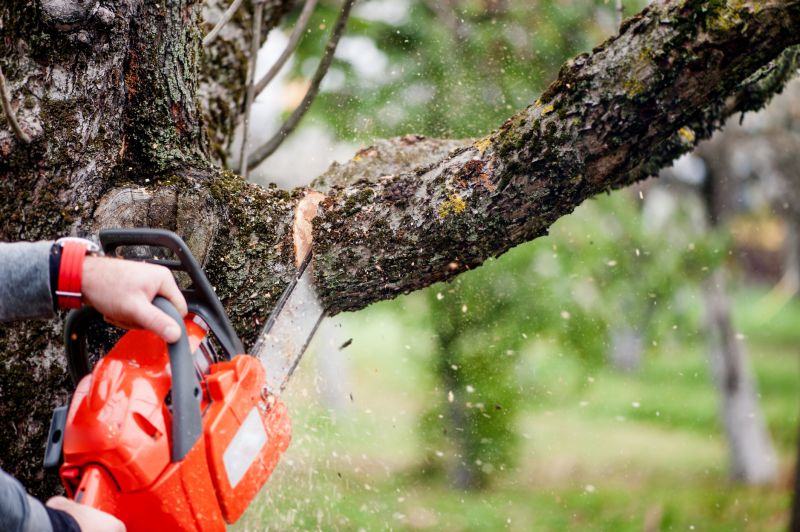
How are dead branches removed safely? Dead branches are carefully pruned using specialized tools to minimize stress on the tree and ensure safety during the removal process.
What signs indicate a branch is dead? Branches that are brittle, have no leaves in the growing season, or show signs of decay are typically dead and may need removal.
Can dead branch removal improve tree health? Yes, removing dead branches can promote better airflow and sunlight penetration, supporting overall tree vitality.
Request Dead Branch Removal in Allentown, PA
Use the quote form on this page to share the basics of your project and request more information for the type of work you need.