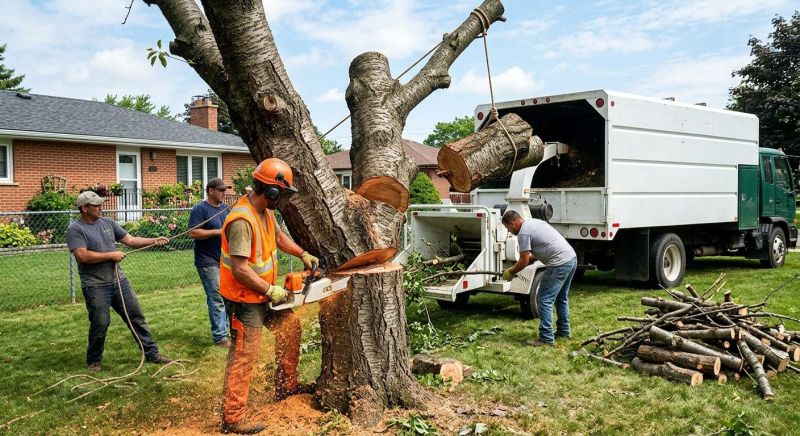
Cherry Tree Removal in San Jose, CA
Cherry tree removal services involve the safe and efficient elimination of cherry trees from residential or commercial properties. This type of project typically includes removing unwanted or hazardous trees, clearing space for new landscaping, or addressing issues caused by overgrowth or disease. Property owners interested in this service should understand the scope of work, including whether stump grinding or root removal is included, and consider the tree’s size, location, and health to determine the best approach for safe removal.
Before requesting cherry tree removal, homeowners often want to know about any potential impacts on surrounding structures, nearby plants, or utility lines. It’s also helpful to consider local regulations or property guidelines related to tree removal. Clear communication about the tree’s condition and location can ensure the project is planned effectively, minimizing disruptions and ensuring safety during the process.
Many property owners in San Jose, CA look into Cherry Tree Removal for repairs, replacements, upgrades, and appearance-related improvements.
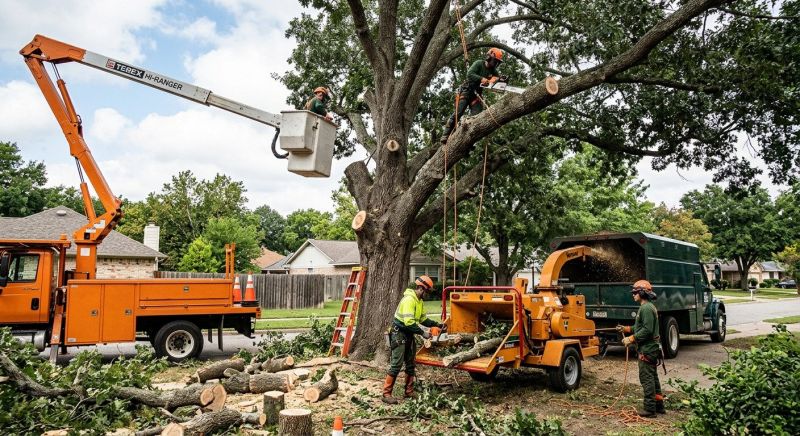
Reasons To Remove Cherry Trees
Removing overgrown or damaged cherry trees can improve safety and prevent property damage.
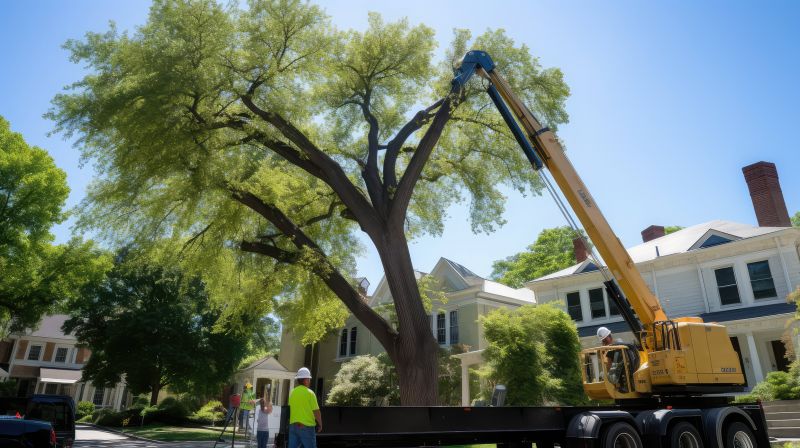
Cherry Tree Removal Process
The process involves careful pruning, cutting, and debris removal to ensure safety and property preservation.
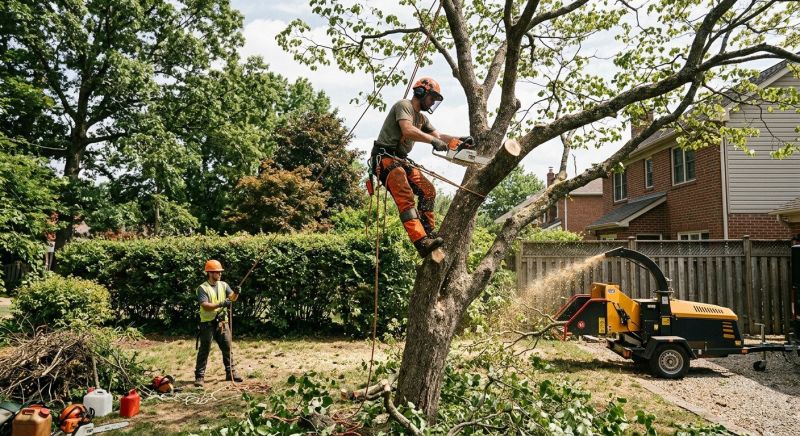
Post-Removal Landscaping Tips
After removal, proper landscaping can restore the area and enhance the overall appearance of the property in san jose, ca.
Cherry Tree Removal in San Jose, CA
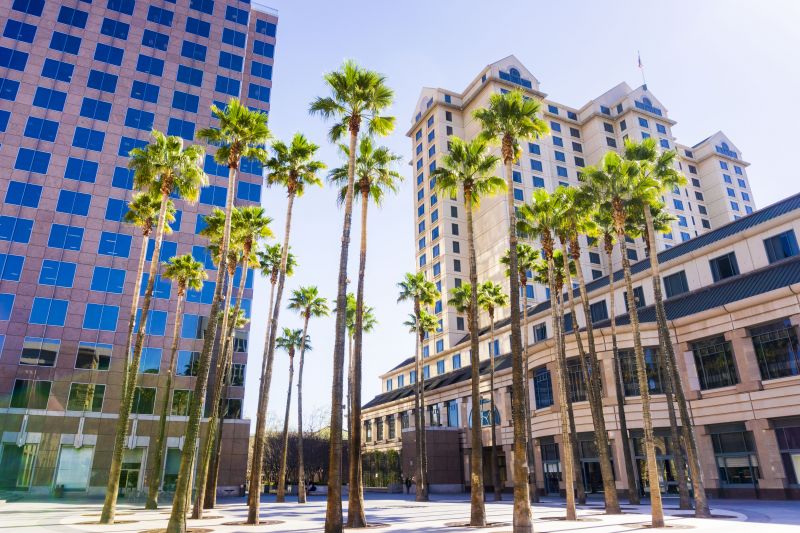
Cherry tree removal services involve the safe and efficient elimination of cherry trees from residential or commercial properties. This type of project typically includes removing unwanted or hazardous trees, clearing space for new landscaping, or addressing issues caused by overgrowth or disease. Property owners interested in this service should understand the scope of work, including whether stump grinding or root removal is included, and consider the tree’s size, location, and health to determine the best approach for safe removal.
Before requesting cherry tree removal, homeowners often want to know about any potential impacts on surrounding structures, nearby plants, or utility lines. It’s also helpful to consider local regulations or property guidelines related to tree removal. Clear communication about the tree’s condition and location can ensure the project is planned effectively, minimizing disruptions and ensuring safety during the process.
Many property owners in San Jose, CA look into Cherry Tree Removal for repairs, replacements, upgrades, and appearance-related improvements.
Common Cherry Tree Removal Jobs
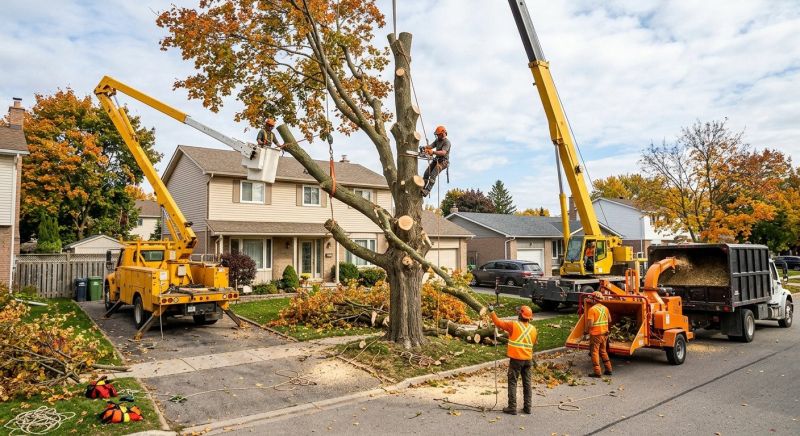
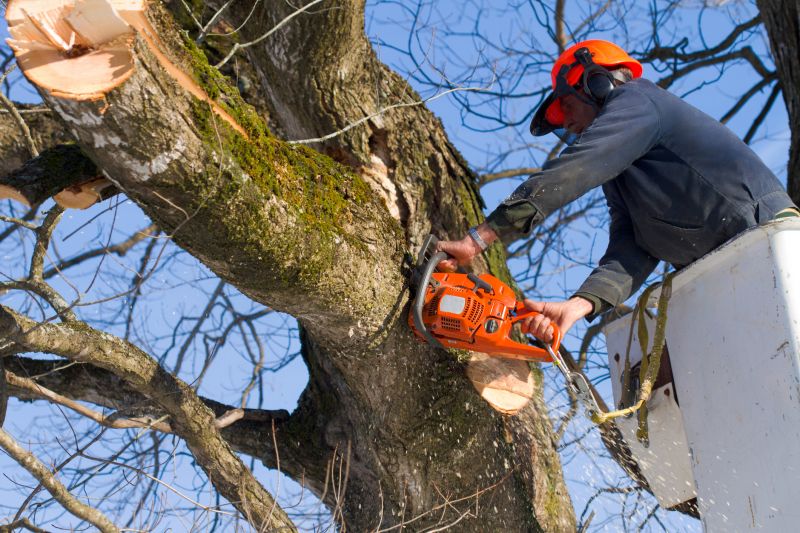
Cherry tree removal involves safely cutting down and removing mature cherry trees from residential or commercial properties.
Stump grinding clears leftover tree stumps to improve landscape appearance and prevent regrowth.
Emergency cherry tree removal addresses hazardous trees that pose safety risks after storms or damage.
Selective pruning and thinning help manage tree size and health without full removal.
Root removal services eliminate invasive root systems that can damage foundations or underground utilities.
Tree debris cleanup ensures all removed materials are properly disposed of to maintain a tidy yard.
Cherry Tree Removal Questions
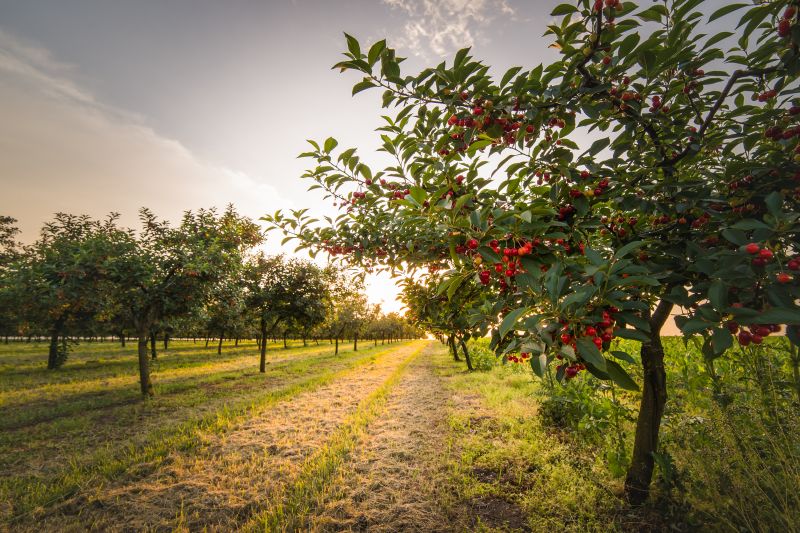
When is cherry tree removal necessary? Removal may be needed if the tree is diseased, damaged, or poses a safety risk to the property.
Are there any permits required for cherry tree removal? Permit requirements depend on local regulations and property location; checking with local authorities is recommended.
What should property owners consider before removing a cherry tree? Consider the tree's size, location, and the impact on the landscape to determine the best removal method.
Can cherry tree stumps be removed after the tree is cut down? Yes, stump removal options include grinding or chemical treatments to clear the area.
Request Cherry Tree Removal in San Jose, CA
Use the quote form on this page to share the basics of your project and request more information for the type of work you need.